
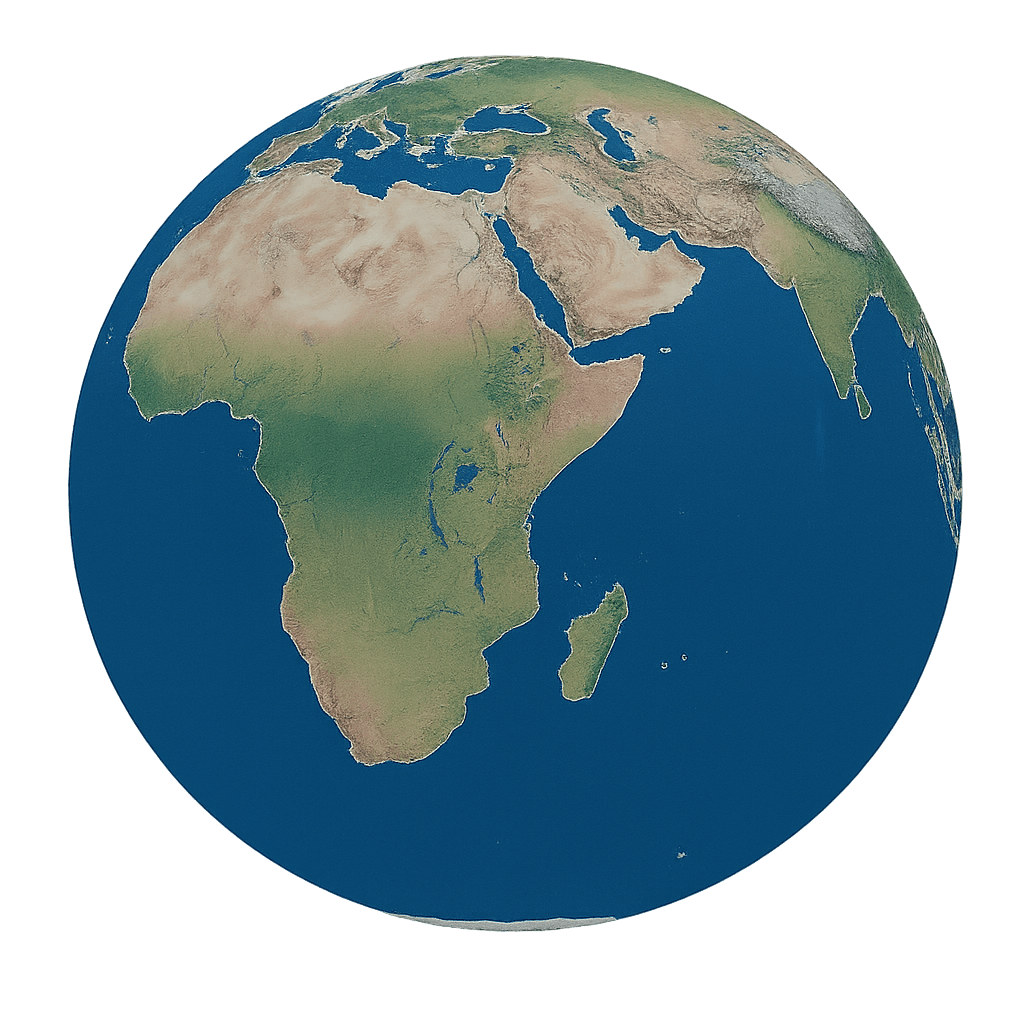
AI & Readiness: A new report on AI misuse spotlights how harmful uses spread fast, raising the question of whether Tanzania can detect, regulate and respond to AI in everyday life. Digital Skills for Development: China’s proposed BRICS digital industry initiative aims to link a BRICS digital ecosystem with skills training and tech exchange—positioning it as more than just a platform. Access to Tertiary/TVET: FAWE Liberia, with Mastercard Foundation support, is targeting 650 marginalized young people for university and TVET bursaries across 10 counties. Education Funding Pressure: In Nigeria, parents face rising costs as private schools hike fees; the ADC warns fuel-price pressure is pushing basic education out of reach. Learning & Equity: South Africa’s Gauteng Health boosts HPV vaccination and screening to tackle cervical cancer, reinforcing the need for prevention pathways. Student Success Stories: At 82, South African nurse Dr Dolly Nyasulu earns a PhD from UKZN, focusing on family-centred postnatal care in rural KZN. STEM Outreach: Siblings in Nairobi’s Kibera teach STEM via Zoom to local students, showing low-cost ways to expand learning. Safety & Disruption: Security alerts warn of possible attacks on schools, worship centres and NYSC camps, underlining how conflict risk can derail education. Labour & Education Policy: COSATU’s congress is delayed by leadership and delegate credential disputes, threatening stalled policy discussions that affect public services including schools.
AGP Executive Report
Your go-to archive of top headlines, summarized for quick and easy reading.
Note: AI summary from news headlines; neutral sources weighted more to help reduce bias in the result. Feedback is welcome. Please let us know if you have any comments or suggestions about the AGP Executive Report.
AI for Education and Health: The Gates Foundation pledged $1 billion over two years to expand AI access in healthcare, agriculture and education, with a focus on underserved communities and language datasets for Africa. AI Inequality Warning: Bill Gates cautioned that AI could deepen global injustice unless governments and tech firms deliberately widen who benefits. TVET Skills for Jobs: Ghana’s TVET Service and the Design & Technology Institute signed an MoU to make training more industry-led, strengthen apprenticeships/dual systems, and improve youth transition-to-work. Higher Education Leadership: Uganda’s Parliament Speaker Jacob Oboth urged stronger Uganda–Pakistan ties at the Commonwealth Parliamentary Conference, highlighting how partnerships can expand opportunities. Sports Coaching Education: Nigeria’s National Institute for Sports inspected facilities to support CAF coaching licence programmes, aiming to keep certification training in-country. Education Under Pressure: Nigeria’s opposition ADC warned that petrol prices up to N1,470 per litre are pushing up food, transport and school costs, with reports of private school fee hikes. Accessibility in Learning: Kenya’s First Lady Rachel Ruto and Princess Lalla Asmaa visited children in Morocco receiving cochlear implants, supporting access to sound, communication and learning. Security and Schools: Multiple reports flagged alerts about possible attacks on schools, worship centres and NYSC camps, underscoring risks to education continuity.
Security & Schools: Nigeria’s police issued a nationwide warning that terrorists and informants are surveilling schools, NYSC camps and places of worship ahead of the 2026/27 academic session. Health & Learning: WHO reports Africa accounts for about 75% of global mpox cases in July, with transmission still concentrated in several countries. Teacher Workforce: South Africa’s Basic Education Employment Initiative is seeking renewed Treasury funding after cuts threatened teaching-assistant jobs in thousands of schools. Education Policy Debate: Zimbabwe’s educators’ union pushed back on calls to fire “non-performing” teachers, arguing for a full education audit instead of scapegoating. Higher Education Leadership: Kenya’s Martin Kimani was appointed UN Assistant Secretary-General for Africa, a senior role spanning political and peacebuilding affairs. Regional Trade for Skills & Jobs: COMESA renewed focus on putting women at the heart of Africa’s trade future, linking cross-border markets to everyday livelihoods. AI for Development: The Gates Foundation pledged $1B over two years for AI tools for health workers, farmers and teachers in the world’s poorest countries. UN Map Update: The UN endorsed a new world map showing Africa’s true scale, reigniting debates about representation.
Education Safety & Readiness: South Africa’s Gauteng Education is investigating a Grade R learner’s playground injury at Nchuncheko Primary in Soshanguve after reports of bleeding and lack of first aid. School Disruption: Northern Cape’s Namakwa District suspended classes and exams after a Level 4 weather warning, with Grade 12 preparatory papers postponed. Early Childhood Policy: Ghana’s Grade R rollout faces concerns over funding, infrastructure and educator posts, with critics warning the system is only “partially” ready. Secondary School Reform: President John Mahama reaffirmed plans to end Ghana’s Double-Track SHS system by end-2027, citing a World Bank-backed facility and improved funding. Education Funding & Skills: Kano State topped education spending in Nigeria’s Sahel-focused survey, while South Africa’s skills gap debate resurfaced amid calls to better align education with the economy. Learning Under Threat: Education Cannot Wait warns attacks on education surged, with 93 million children out of school and thousands of attacks recorded in recent years. Regional Education Support: Tanzania’s school football success is being shared as a blueprint, and TAGDev 2.0 pushes African agricultural universities to move beyond classrooms toward practical, climate-resilient skills. Exam Integrity: Nigeria’s WASSCE controversy renews debate over strengthening NECO as a national exam pathway. Women’s Rights & Protection: Liberia civil society urged lawmakers to pause ratifying the AU CEVAWG convention over gaps affecting protections in homes, schools and online spaces. Community Learning & Access: A Gambia-linked fundraising drive at a UK college aims to pay teachers and improve facilities at a local school.

AI Governance in BRICS: South Africa’s President Cyril Ramaphosa urged BRICS to set up an independent AI oversight mechanism, warning that powerful systems must not outpace human control and calling for responsible use in areas like education and science. Sovereign AI for Africa: Experts at the ACT-Africa workshop in Addis Ababa pushed for sovereign foundation models built for African languages and priorities, arguing against passive reliance on foreign AI tools. Higher Education Funding Pressure in Nigeria: Atiku Abubakar accused the Tinubu administration of failing to invest fuel-subsidy savings in education, as ASUU warns of another strike over unpaid entitlements and unresolved agreements. Admissions Reform: Nigeria’s JAMB will take over Higher National Diploma admissions in polytechnics and nursing colleges to centralise entry and curb “illegal and compromised” admissions. Independent Schools Funding (Gauteng): Gauteng defended allocating about R1.13bn to qualifying independent schools, citing constitutional permission and the Schools Act framework. Skills & Jobs: Botswana’s justice minister praised Chinese partners for technology, skills transfer and community jobs, while a South Africa programme trained 100 interior designers to strengthen business and financial skills.
Governance & Learning Under Strain: Namibia’s ruling “political recycling” is blamed for eroding service delivery as youth dominate the population, raising the stakes for public institutions including schools. Media & Risk Literacy: Nigeria’s Lagos State and partners plan an Africa Reinsurance workshop for journalists, pushing reporters to use risk/insurance thinking in coverage of climate, politics and cybercrime. Education Quality Over Labels: Ghana’s education debate is framed as a quality problem, not just Senior High School categorisation—teachers, facilities and support must improve everywhere. BRICS & Development Finance: BRICS-linked New Development Bank funding is set to support South African metro repairs, with water, electricity and roads highlighted—conditions that directly shape school access and learning environments. AI Readiness for Schools: A push for AI adoption in Africa stresses foundations like sovereign data centres, reliable energy, connectivity, cybersecurity and local skills. Public Health Research Capacity: Africa CDC and CEPI launch a database linking vaccine developers to African Phase 1 clinical trial sites, aiming to speed up outbreak responses that can protect learners. Youth & Peacebuilding: West African Youth Day in Ghana ends with calls for young people to be “actors of hope,” rejecting violence and discrimination. Skills for Returnees: Zimbabwe registers thousands of returning workers for a skills audit, including teachers and nurses, with bridging courses to help them re-enter the workforce.
Education Policy & Access (Ghana): President John Dramani Mahama inspected GETFund-funded works at Han Senior High School and said the government will convert the school from a community day school into a boarding school by building dormitories, with a wider plan to shift high-density and rural schools to boarding models. Skills & Jobs (Tanzania): At a Kagera coffee and heritage event, employers warned that youth interest in tourism isn’t matching the practical skills and workplace readiness needed for hospitality jobs, highlighting a persistent jobs-and-skills gap. AI in Schools (Ethiopia): Ethiopia is moving to integrate AI into its core school curriculum under Digital Ethiopia 2030, building on earlier computer lab and internet rollout and a new competency assessment approach. STEM Training (Namibia): NOVA in Namibia is training AI technicians with a focus on hands-on, hardware-linked programmes, responding to claims that millions of graduates each year struggle to find formal work. Climate Risk to Learning (Africa): Scientists warn a very strong El Niño could bring drought and extreme heat in Southern Africa and heavy rain and flooding in East Africa, threatening crops, water, health and power—conditions that can disrupt schooling. Schooling & Equity (South Africa/Region): South African civil groups are pushing for reviews and pauses on new data centre approvals, arguing scarce water and electricity must be properly assessed—an issue that can shape education-linked digital access. Early Childhood (South Africa): Curro Bryanston Preschool marked 10 years and celebrated accreditation for the Curiosity Approach, emphasizing authentic play for ages three months to six years.
Education-Industry Partnerships: Nigeria’s Kuje students get hands-on science via a five-laboratory complex backed by TotalEnergies Upstream Nigeria and partners, aiming to move learning beyond textbooks. Health & Schools: South Africa’s Ramakrishna Clinic will run a free medical outreach at Acaciavale Primary School in Ladysmith on Sept 20, offering screenings, HIV counselling, and specialist services. Democracy & Civic Learning: Liberia’s election track record is highlighted as proof that repeated, peaceful polls can strengthen constitutional governance and public trust. Skills for Jobs: Zimbabwe is set to host Africa Skills Week 2026 (Oct 12–16), pitching skills development as a magnet for investment and partnerships. AI Capacity Building: Côte d’Ivoire pushes for a high-performing, responsible AI sector, stressing data, infrastructure, energy, skills, and governance. Maps, Identity & Learning: The UN’s “Correct the Map” push—backed by the AU—aims to use projections that reflect Africa’s true size, challenging long-standing distortions. Governance & Student Access: Nigeria’s ADC urges INEC to publish a clear timetable for Permanent Voter Cards to avoid disenfranchisement through administrative delays.
Tanzania Education Reform Push: Tanzania has invited private and international partners to support education reforms, including curriculum delivery, technology and AI, through the Tanzania-Finland African Global Education Solution (AGES). Student Finance Alarm: South Africa’s NSFAS is facing a growing funding gap, with Higher Education Minister Buti Manamela warning the shortfall could reach ZAR33bn by 2029 unless financing is redesigned. Learning Under Fire: In DR Congo, a massive fire destroyed two schools, killing at least 27 students, renewing calls for safer school infrastructure. Policy and Accountability: South Africa also lacks verified data on whether educators are vetted against sex-offender and child-protection registers, raising oversight concerns. Debate for Safer Schools: A Free State pupil won the Youth4SaferSA national debate championship, linking youth voice to reimagining education after the 1976 Soweto uprising. Misinformation Watch: A widely shared “dead mother” clip tied to Nigeria/DRC/Sudan was debunked as a sleeping woman from Tanzania’s Hadzabe community. Equity and Access: Reports highlight how early childhood discipline and school safety issues can shape outcomes, while literacy efforts continue to target gaps.
School Leadership & Elections: A viral “Koki” head-girl campaign in South Africa, amplified by major local celebrities and even Missy Elliott, shows how student-style storytelling and social media can cut through crowded local election races. Procurement & Development: A new argument for Africa to design its own procurement and supply-chain systems frames buying power as industrial, jobs, and innovation policy—not just paperwork. Higher Education Accountability: South Africa’s Basic Education Department says it can’t provide verified data on how many teachers were vetted against child-protection registers since 2019, while Higher Education rejects shutting foreign academics and calls for tighter visa monitoring. Teacher Safety: Police raids in Gauteng schools recovered weapons and drugs, highlighting growing threats to learners and educators. Skills Gap: A survey of 381 South African employers finds engineers hardest to hire (38%), with artisans and IT specialists next (22%). Student Support: UBA Foundation launches its 2026 National Essay Competition with N41m in prizes for senior secondary learners. Digital Learning & Commerce: Haelsoft Marketplace rolls out to help African creators and educators sell courses and digital products online. Climate Risk: El Niño is strengthening, raising odds of severe weather impacts across Africa.
Green Hydrogen Diplomacy: South Africa’s Deputy Minister Nomalungelo Gina showcased the push to move green hydrogen from “policy ambition” to large-scale production during a Japan visit, aligning government plans with industry and international cooperation. School Safety Under Pressure: South Africa’s Gauteng stepped up school-safety operations, with police raids recovering weapons and suspected drugs, while unions warn teachers face growing threats. Tragedy in Rebel-Held DRC: A fire in Bukavu destroyed two schools and homes, with at least 24 children feared dead as authorities assess casualties. Literacy Recognition: South Africa’s Nal’ibali Trust won the 2026 Library of Congress International Literacy Prize for its reading-for-enjoyment campaign across official languages. AI Governance Gap: A new commentary argues Africa’s governments must catch up on AI rules fast enough to protect vulnerable communities while expanding access. Higher Ed Equity Fight: Black Studies programs face cuts and restructuring in the US, with students and scholars defending the field’s role in universities. Local Learning Spotlight: Ethiopia plans to expand modern specialised boarding secondary schools, aiming to raise standards amid claims only a tiny fraction of schools meet national benchmarks.
AI Policy & Safety: Kenya is convening policymakers and researchers at Daystar University to discuss the International AI Safety Report 2026 as the country drafts its AI policy, with public participation expected later this year. Education Under Fire: Save the Children warns that 1.5 million Palestinian children in occupied territory have been denied safe, quality schooling for a fourth year, with most school buildings damaged or inaccessible. Regional Integration via Services: The East African Business Council says EAC services trade— including education—faces delays from lingering regulatory barriers, urging faster implementation of the Common Market Protocol. School Integrity: Ghana’s Interior Minister says recruits were dismissed from security training after forged WASSCE results were verified with WAEC. Higher Education Funding: South Africa’s NSFAS is flagged as “unsustainable,” with a projected shortfall that could reach R33bn by 2029 unless financing is redesigned. Civic Education: Ghana’s Speaker Bagbin urges deeper collaboration between the media, NCCE and education institutions to strengthen civic awareness and constitutional democracy. Health Education: Kenya trains community health promoters in Kiambu to tackle epilepsy myths and close a major treatment gap. Aviation Connectivity: African aviation leaders push for quicker rollout of SAATM to boost trade, tourism, healthcare, education and humanitarian access.
UN World Map Update: The UN has backed a new “Equal Earth” projection to correct Africa’s size on global maps, replacing the Mercator view; the African Union and Togo led the push, while the US voted against it as ideological. Election Integrity in South Africa: Ahead of the Nov 4 local polls, the IEC introduced a Countering Disinformation code, but Right2Know warns it may not curb fake news spreading via WhatsApp and TikTok. Higher Education Funding Crisis (South Africa): Minister Buti Manamela says NSFAS is financially unsustainable, with a projected shortfall rising toward R33bn by 2029 unless financing is redesigned. Education Reform (Ghana): NPP calls for a national education conversation after WASSCE/BECE concerns, while former education minister Dr Yaw Osei Adutwum urges SHS resit options and better transcripts. Digital Inclusion (Nigeria): NCC pledges accessible tech and digital skills for persons with disabilities to ensure they can participate in Nigeria’s digital economy. AI Skills Push (Africa): Namibia’s NOVA AI institution launches practical training to close the gap between graduates and formal AI jobs. Agriculture Research (Morocco): Morocco’s INRA and partners plan a conservation agriculture and soil-health project aligned with “Génération Green.”
UN Map Push: The UN General Assembly backed an Africa-led move to encourage schools and governments to use more accurate “Equal Earth” world maps, with 164 votes for and the US voting against—aiming to correct how Africa’s size is visually minimized. Ghana Education Finance: Eduwatch says Ghana needs an extra GH¢45bn to meet SDG 4 by 2030, warning that underfunding is driving shortages of teachers, materials, and even schools operating in sheds. Free SHS Debate: Eduwatch and critics argue Ghana’s Free SHS policy should remove qualification barriers so JHS graduates transition smoothly, after BECE placement gaps left thousands out. Nigeria Credential Crackdown: Nigeria’s FG plans to link education records with NYSC to curb fake certificates and strengthen digital verification. Kenya Deaf Tech: A Kenyan start-up is trialling robotic arms that translate teachers’ voices into sign language in real time, building a growing database of technical signs. Liberia Teacher Regulation: Liberia prepares to host the 2027 AFTRA conference, with a focus on professionalizing teachers and closing qualification gaps. Zimbabwe Matric Rescue: Displaced Zimbabwean Grade 12 pupils in South Africa are being brought back to write matric after immigration disruptions. South Africa School Governance: South Africa’s Supreme Court of Appeal upheld Western Cape’s “collaboration school” model, allowing donor-funded public schools with private-sector expertise. HIV Prevention Scale-Up: South Africa is expanding access to twice-yearly Lenacapavir injections, aiming to scale up ahead of cheaper generics in 2027.
Digital Credentials: Nigeria has fully automated academic certificate evaluation and authentication, letting applicants complete verification online instead of visiting the education ministry. Skills Pipeline: The World Bank warns South Africa’s digital-skills training system isn’t meeting employer demand, citing shortages in software, network engineering and cybersecurity. Education Expansion: Advtech says it plans to expand Kenya’s Makini School into two to three new East African markets and is also scouting for opportunities in Kenya’s higher education. School Access Debate (Ghana): Ghana’s Alagumgube Association backs calls to remove barriers that block JHS graduates from moving straight into secondary school, arguing progression should be based on learning, not placement rules. Learning and Inclusion (South Africa): South Africa’s crime figures show declines in some serious crimes, but experts caution the problem isn’t solved—an issue that still affects safe schooling and youth wellbeing. Policy and Governance (Elections): Nigeria’s INEC and security agencies in Nasarawa vow to enforce campaign rules ahead of 2027 elections, stressing hate speech and violence will not be tolerated. Student Life and Sports: Uganda’s Busitema University is sending athletes to the FASU Games in Cairo, aiming to boost medals and broaden university education beyond academics.
Digital Skills & Connectivity (Liberia): CSquared moved its Ganta broadband and digital education programme from a grant-funded pilot to a commercially operated service, rolling out community Wi‑Fi and a 20-seat learning lab at J.W. Pearson Public School, training 1,200+ students with Microsoft support. STEM Funding (South Africa): RS South Africa named 13 university winners for its 2026 Student Project Fund, giving R10,000 in RS products each to build prototypes across renewable energy, robotics, healthcare tech, logistics automation and STEM education. Education Access Support (Nigeria—Jigawa): AGILE began distributing ATM cards to 33,696 adolescent pupils in Jigawa under a conditional cash transfer scheme, using NIN verification so learners can buy school essentials like uniforms, bags and books. School Governance (South Africa—Western Cape): The Supreme Court of Appeal dismissed challenges to collaboration schools and donor-funded public schools, upholding the legal framework for school governance and evaluation authority. Learning & Environment (Ghana): Six Greater Accra SHSs launched a pilot clean-air and waste segregation project to curb open burning and teach practical waste-sorting habits for students. Policy & Safety (South Africa): SAPS body-camera rollout is nearing procurement publication after funding and technical refinement steps, aiming to improve policing accountability. Climate Risk (Africa): El Niño is strengthening, with warnings to prepare for drought, heat, flooding and knock-on effects for food security, water and public health.
UN Map Push: The UN General Assembly backed Togo’s “Correct the Map” resolution, urging schools and tech firms to consider equal-area projections like Equal Earth so Africa isn’t visually distorted; six countries abstained. Education & Inclusion: In Abia, Nigeria, PWDs praised TAF Africa’s voter education drive for clarifying electoral rights and assisted voting ahead of 2027. TVET Modernisation: Ethiopia is validating revised TVET digital curricula with support from Korea and UNESCO, aiming to align learning materials with labour-market needs and the country’s digital push. Health Access (Vision): Togo’s eye-health snapshot from Lapaire’s Vision Health Index reports large shares of presbyopia and myopia, with a gap between those needing and receiving vision correction. School Safety & Access: Ghana warned parents about social-media fraudsters promising BECE result changes or SHS placement help, urging use of official channels. Climate Risk: South Africa was cautioned to prepare for El Niño-linked hotter, drier conditions and possible rainfall shortfalls. Student Outcomes (Higher Ed): Multiple reports highlight uneven six-year bachelor completion rates for Black students across institutions, underscoring persistent gaps.
School Safety & Tragedy: Cape Verde mourns after a bus crash on Fogo Island killed at least 25 schoolchildren and teenagers, with the driver among the dead. Basic Education Calendar: Ghana’s basic schools are set to re-open Tuesday, Sept 8, 2026, with term dates and BECE scheduled for May 2027. AI in Classrooms: South Africa faces a fast AI reality—many children and teachers are already using AI for schoolwork without safeguards, raising inequality and governance concerns. Maternal Health: A new report warns maternal deaths are still high across Africa, with delays in care and weak facility readiness keeping progress from fully taking off. UN Maps & Learning Materials: The UN backed “Correct the Map,” pushing equal-area world maps that better reflect Africa’s size—an issue that could reshape textbooks, digital maps, and classroom teaching. Youth & Skills: Coverage also flags Africa’s AI productivity push as needing a talent-pipeline strategy so automation doesn’t undercut entry-level jobs. Malawi Education & Health Expansion: Malawi signed up for 450 new schools and clinics, aiming to expand access while mining growth raises hopes and risks.
Human Trafficking Prevention Through Fashion: Next2None Support Initiative and Nigeria’s NAPTIP signed an MoU to launch “Threads of Resilience: Fashion for Freedom,” billed as Africa’s first international fashion-for-social-impact campaign to empower youth and support survivors. Digital Skills for Jobs: Somalia’s Bile Initiative 2026, run by Tabaarak ICT Solutions with SomaliREN and Hormuud Salaam Foundation, is training final-year ICT students in software development, AI, cloud and analysis to better match labour-market needs. ICT Training Expansion: Somalia’s push is part of a wider regional effort to make university education more practical and employment-ready. UN Map Reform: Togo, backed by the African Union, won UN General Assembly support for “Correct the Map,” urging schools and tech firms to use more accurate equal-area projections that better reflect Africa’s true size. Education Safety Tragedy: Cape Verde marked two days of mourning after a bus crash on Fogo Island killed at least 25, including many pupils and teenagers, with an inquiry promised. School Placement Pressure (Gauteng): South Africa’s Gauteng Education Department received 805,000+ applications for Grade 1 and 8 for 2027, shifting now to document verification before placements.
UN Map Reform: The UN General Assembly backed Togo-led “Correct the Map” resolution to move away from the Mercator projection and encourage use of the Equal Earth map, making Africa appear much larger; the vote was 164–1 (with the US opposing) and the change is expected to influence school geography materials and digital platforms. Education Access: Malawi’s Elida Chithumba, 18, begins university at the University of Malawi with support from the McConnell International Foundation’s “Keep Girls in School” scholarship, aiming for a maths teaching degree. University Admissions: Ghana’s University of Ghana urged WASSCE 2026 candidates to re-check names, dates of birth, and exam details on its applications portal; the portal closes Sept 8. Learning Infrastructure: Nigeria’s education minister says off-grid solar mini-grids under the Energising Education Programme are helping universities cut outages and energy costs. Youth & Skills: Kenya’s youth migration debate is reframed around legal mobility and skills strategy, while Huawei’s Women in Tech programme trains women business owners on AI and digital tools. Student Wellbeing: South Africa’s gambling harm figures show rising calls, including among students, as online betting expands.
Sign up for:
Africa Education Digest
The daily local news briefing you can trust. Every day. Subscribe now.
Check Your Email!
We sent a one-time activation link to: .
Confirm it's you by clicking the email link.
If the email is not in your inbox, check spam or try again.
Welcome back!
is already signed up. Check your inbox for updates.